

Catastrophic Floods Ravage Assam and Gujarat
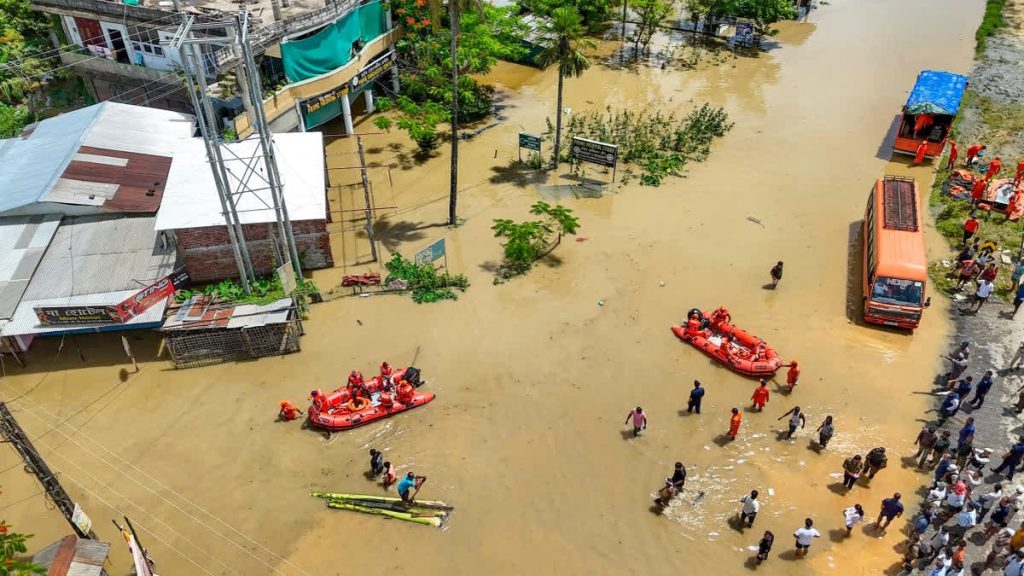
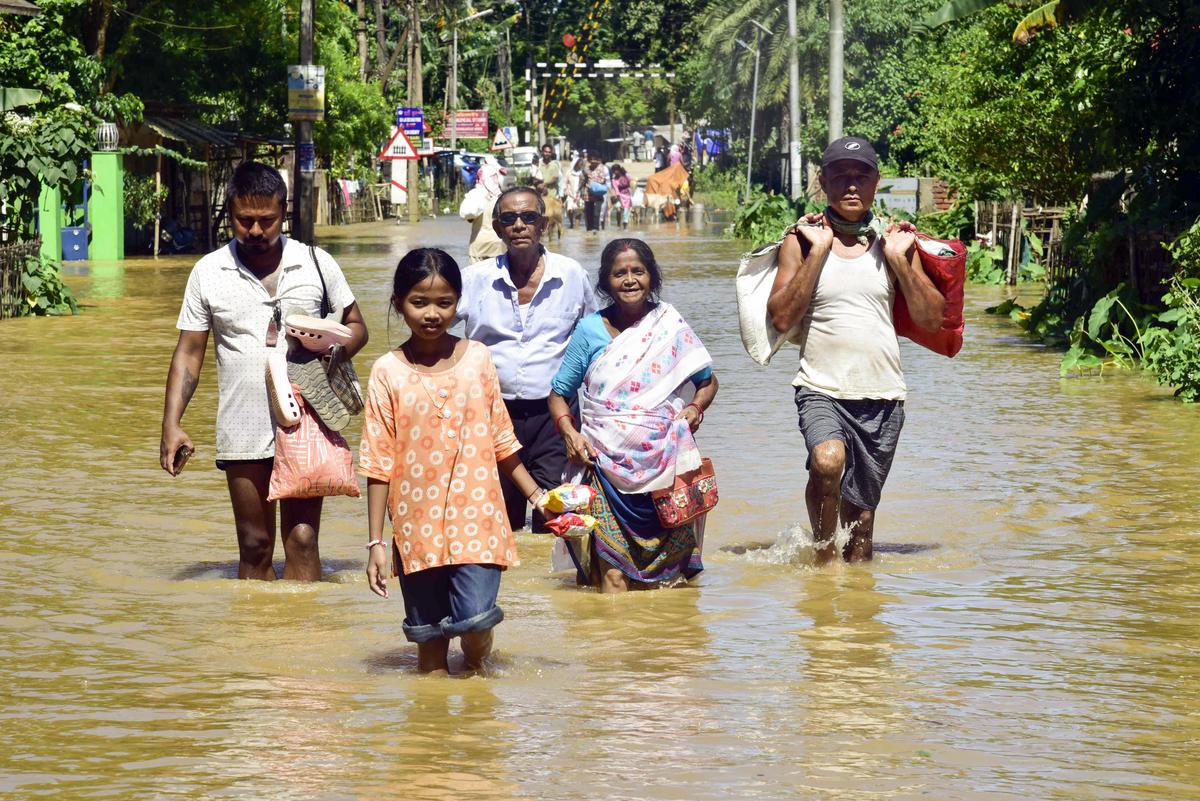
The relentless fury of monsoon floods in Assam shows no sign of abating, leaving widespread devastation in its wake. Torrential rains have triggered severe flooding across nine districts, impacting more than 7.05 lakh residents. Tragically, numerous lives have been lost, and the humanitarian crisis continues to deepen as families struggle to cope with submerged homes and ruined livelihoods.
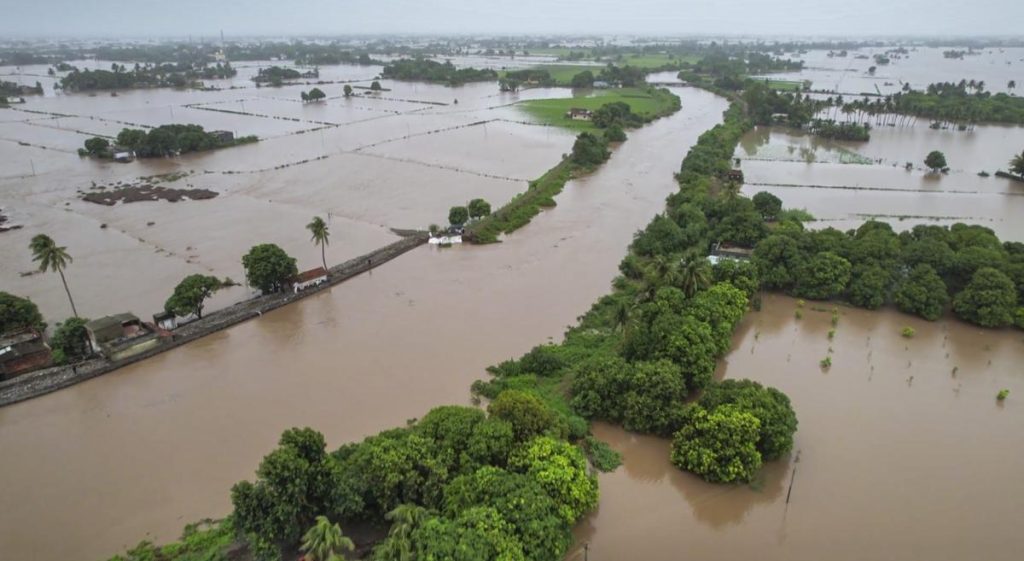
According to the Assam State Disaster Management Authority (ASDMA), approximately 856 villages are now under water, while nearly 56,606 hectares of agricultural land lie damaged, threatening food security and the income of thousands of farmers. Embankments, bridges, and critical road networks have collapsed or sustained heavy damage, further isolating communities and complicating relief efforts.
Relief camps and distribution centers have been set up across the state, but the sheer scale of the disaster poses immense challenges. On Sunday alone, more than 5.24 lakh people were reported affected in the districts of Charaideo, Golaghat, Jorhat, Nagaon, and Sivasagar. Among these, Charaideo emerged as the worst-hit, with nearly 1.9 lakh individuals displaced or stranded. Sivasagar recorded over 1.5 lakh victims, while Jorhat reported close to 1.4 lakh people suffering from the deluge.
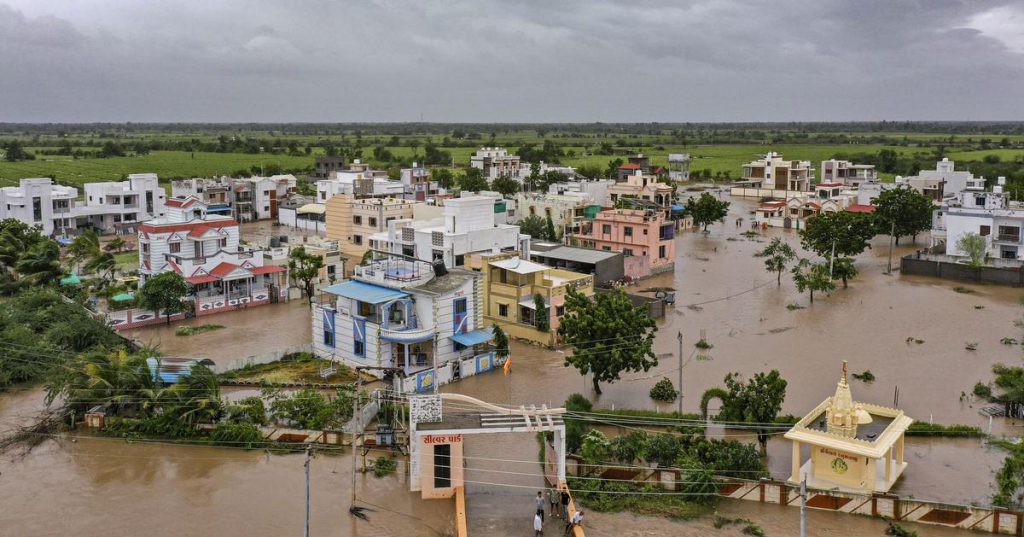
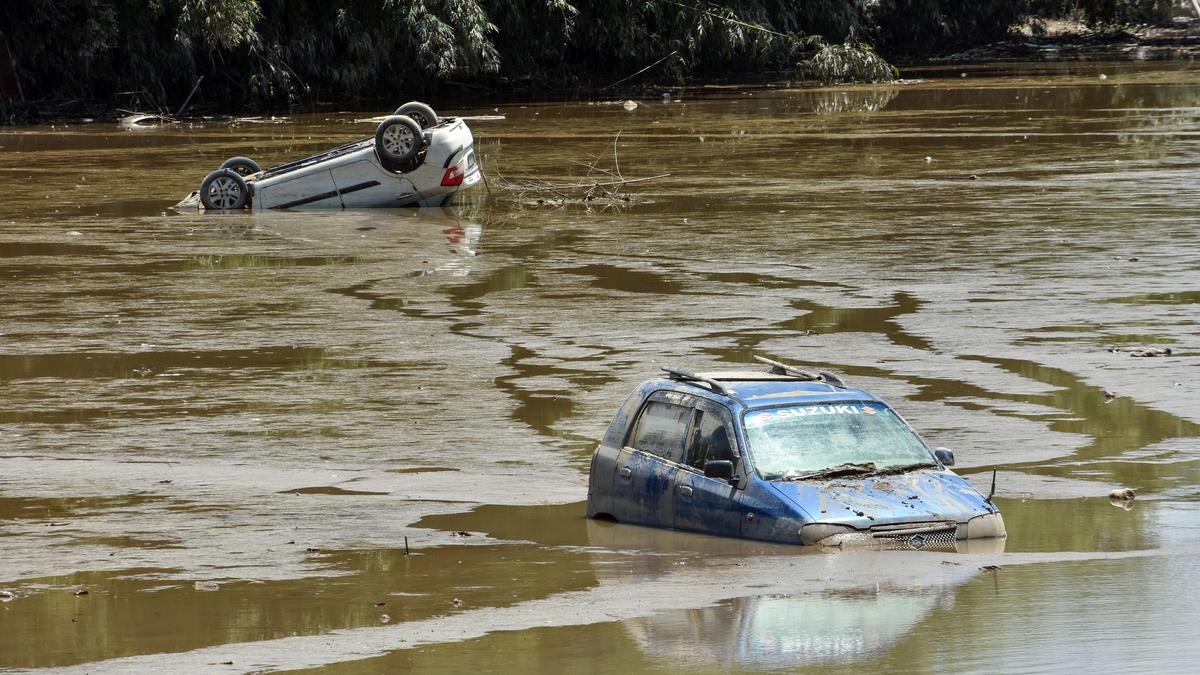
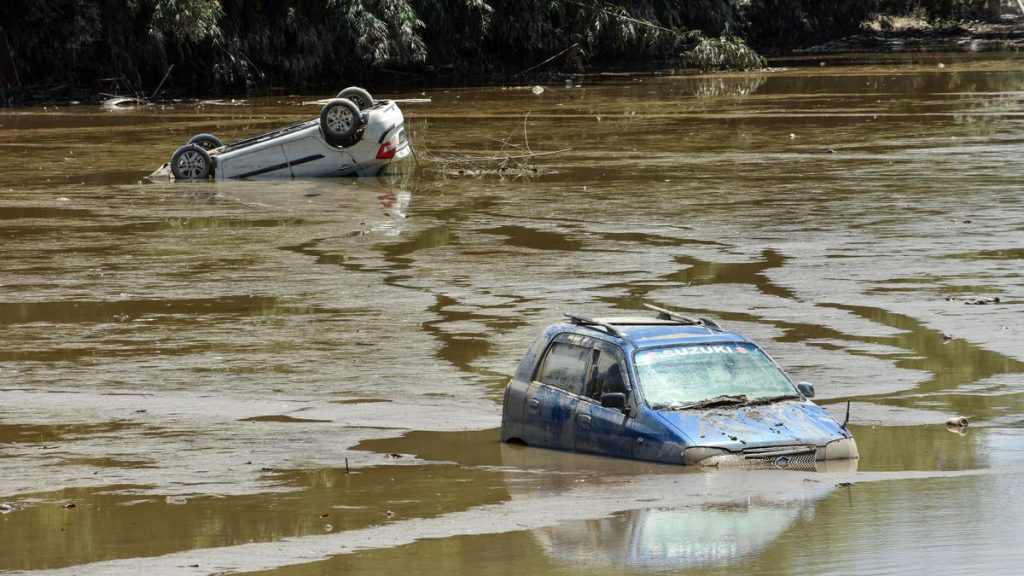
The crisis is not confined to Assam. Heavy rainfall has also wreaked havoc in Gujarat, underscoring the widespread impact of the monsoon. In Umargam, Valsad district, rainfall reached an astonishing 906 mm in just a few days—a figure surpassing the average annual rainfall of Delhi (700–800 mm). This unprecedented downpour led to severe waterlogging in areas such as Baithi Colony and Kamru Nagar in Limbayat, Surat, where homes, shops, and vehicles were submerged under several feet of water.
Emergency teams have been working tirelessly to rescue stranded residents. In Ahmedabad district’s Dholka region, a drone rescue team from a Mehsana-based startup collaborated with local authorities to evacuate people trapped by rising floodwaters. This innovative use of technology highlights the evolving nature of disaster response in India, where traditional rescue methods are increasingly being supplemented by modern tools.
The dual crises in Assam and Gujarat emphasize the urgent need for robust flood management systems, resilient infrastructure, and proactive disaster preparedness. As climate change intensifies rainfall patterns, such extreme events are expected to become more frequent, demanding coordinated action from government agencies, civil society, and technology innovators alike.